Practical Concerns: Meatballs & The Art Of Deployment

dep

Last week, I dug up some old stats and posed this question to our Twitter followers and to a few people I know working in pro hockey.

Some interesting lessons were learned.

Information Underload

Marc Bergevin once said that it is difficult for fans to fully understand the decision-making process of NHL general managers and coaches because they don’t have access to all the information.

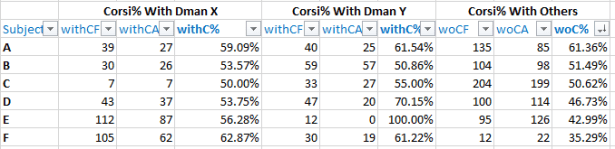
Most people I’ve talked to with at least a working knowledge of analytics were able to give very sensible suggestions on which three defense pairings to form given the available players, despite having no idea of who these players are and with only their 5vs5 With or Without You possession stats at their disposal.
Continue reading

A Guide to Neutral Zone Tracking Part 2 of 2: How to track the Neutral Zone

A carry-in just waiting to be recorded by someone.

Okay so in our last post, we discussed why tracking the Neutral Zone is important.  We also briefly discussed what we track when tracking the neutral zone.  But in this post, I’m going to provide you with a detailed guide and the resources you will need to actually track the neutral zone yourself.

What You Need For Neutral Zone Tracking:

Neutral Zone tracking doesn’t require much.  At a minimum you only require:
1.  Access to NHL Games
2. Something to record Neutral Zone Entry #s (Usually a spreadsheet)
3. A place to compile your total #s (Usually another spreadsheet)

Continue reading

A Guide to Neutral Zone Tracking Part 1 of 2: Why Neutral Zone Statistics Matter

nielsen

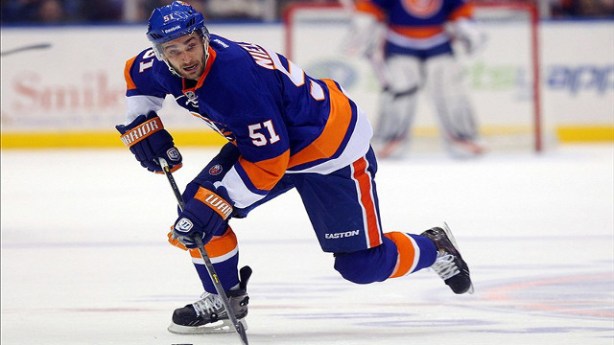
Frans Nielsen is incredibly good in the neutral zone.  But How important is that really?  And how can we tell that’s the case to begin with?

A while back, Hockey-Graph’s own Matt Cane wrote the following tweet:

Matt was referring to a statistic commonly found in “Neutral Zone Tracking,” which purports to measure the quality of individual and team play in the Neutral Zone.  Neutral Zone Tracking was pioneered by a bunch of guys at Broad Street Hockey (Eric Tulsky and Geoff Detweilier) back in 2011 and in the years since, a bunch of individuals have also began to do the same.  The work that’s been done on this area, on other sites as well as on this one suggests neutral zone tracking results in some extremely important data that we should be very interested in.

What is Neutral Zone Tracking:

Continue reading

Practical Concerns: Analytics Resolutions For 2016

arena021_crop.JPG

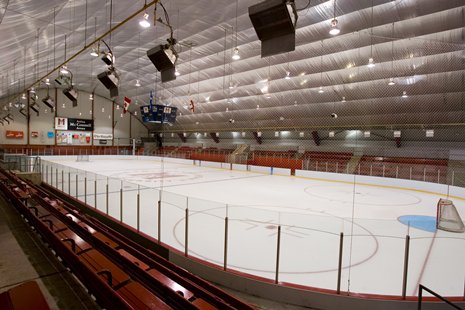
Just a few hours into 2016, I had already received an email from a colleague in NCAA Division I hockey program, asking for my feedback on a specific area of analytics.  It goes to show that those who enjoy thinking the game never stop doing it, even on days when they should be giving themselves a little time off.

Since everyone is making New Years’ Resolutions, allow me to share the two things I will be working on this year:

Continue reading

Examining League-wide Offense and Defense

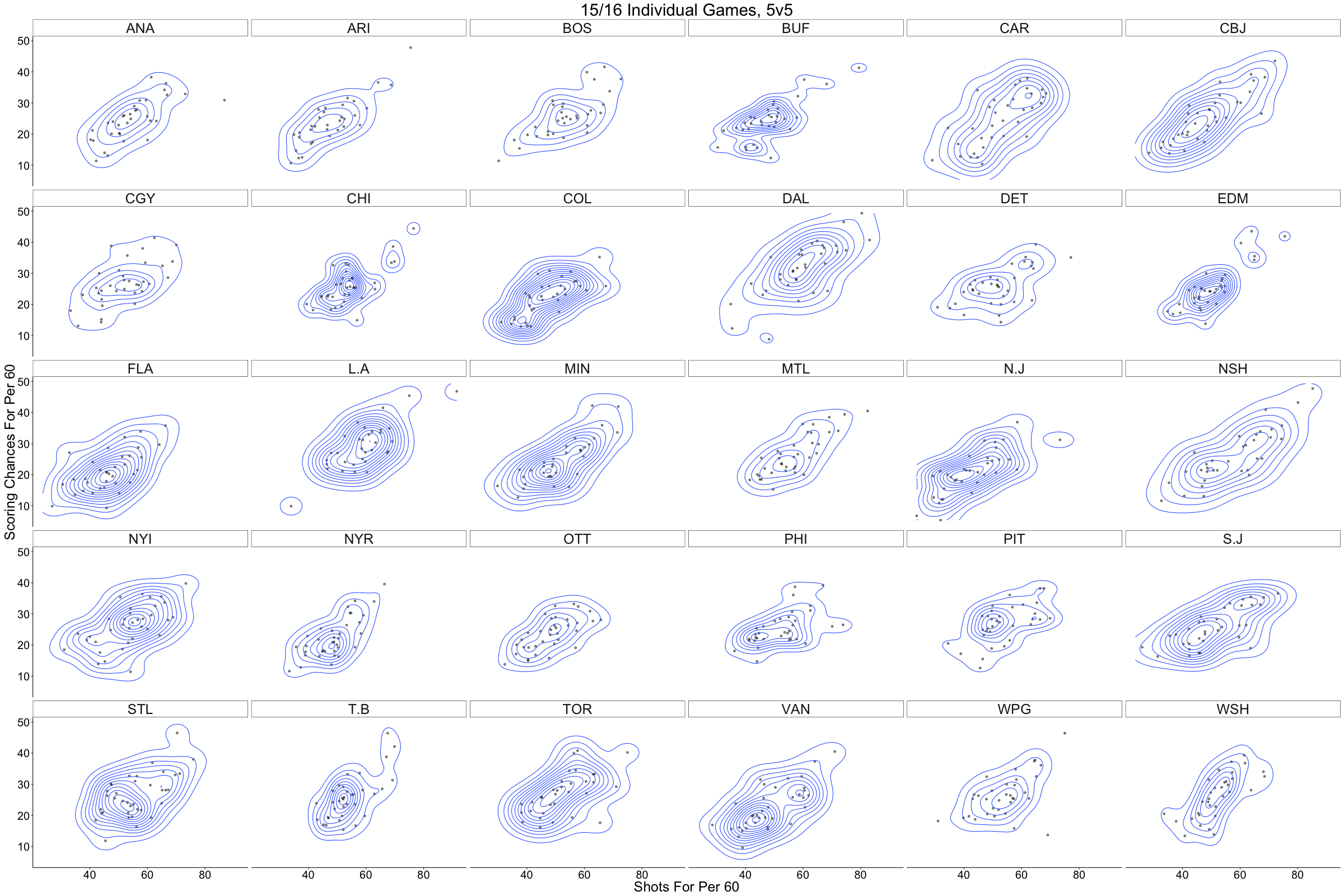
Over the holidays, I created some charts that show the distribution and density of Shots and Scoring Chances for Per 60 for each team. There’s a lot of information in these charts, so I chose a few to inspect further.

First, we’ll look at the league-wide chart for Shots and Scoring Chances For. Keep in mind that each individual dot is a game, and the contour lines show the density of the dots (i.e. how close they are to each other).

Continue reading

Practical Concerns: The Gift Of Goals

mcg

Lighting the lamp is the hardest thing to do in all of hockey, and scoring is down yet again in the NHL.

But instead of talking about ways to make goalies worse, by reducing the size of their equipment or by limiting what they can do on the ice, let’s look at a few habits shooters can acquire to shift the odds in their favor.

While the statistics and research behind the information presented here come from the NHL and CIS levels, I’m confident that any player – from Peewee to Beer League – can put them to good use in 2016.

I’ve already written about scoring in the shootout, so here are four scientifically sound tips for scoring more in open play.

Continue reading

Sbisa, the Sens, and the Scramble: Evaluating Defensive Play Following a Shot Attempt

Embed from Getty Images

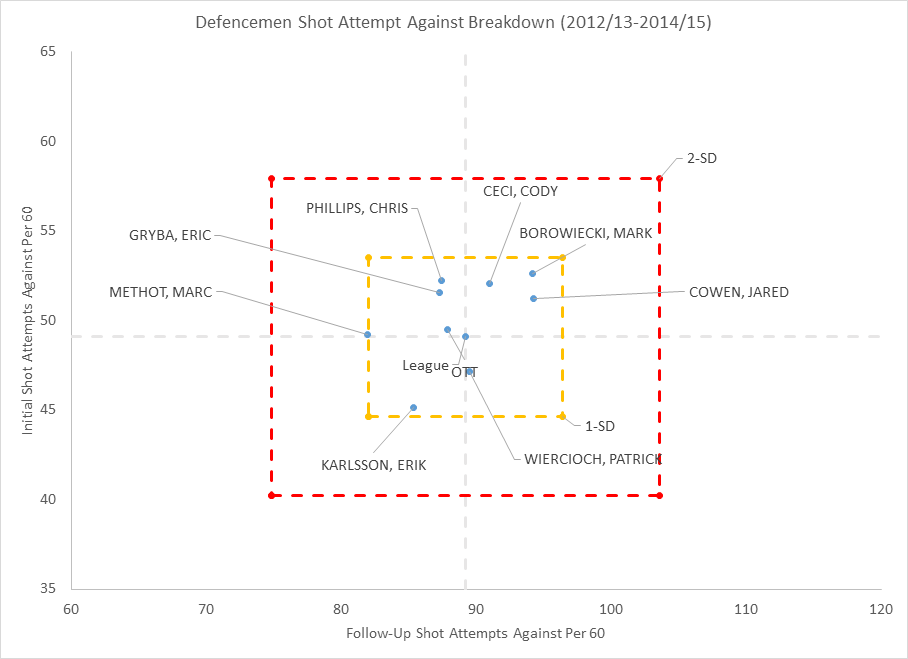
Luca Sbisa may be one of the players who best epitomizes the divide between the old-school, eye test view on hockey and the statistics-focussed analysts offering their opinions from their mother’s basements on fan curated sites across the internet. While GM Jim Benning clearly thinks Sbisa is a useful defender, rewarding him with a 3-year, 10.8MM deal, and consistently praising his defensive zone smarts, Canucks fans have been less bullish on the talents of the 25-year-old Swiss pointman. Correctly noting his less than stellar possession numbers, J.D. Burke commented that his first season with Vancouver featured few “extended stretches in which any pairing with Sbisa on it looked passable”. These aren’t just the criticisms of a bitter fan wishful for better years, Burke backed up his arguments with a detailed numerical breakdown of Sbisa’s many failings, and video evidence of some of his less than professional defending from 2014-2015. Burke, and the Canucks’ fanbase in general, seemed to paint a picture of Sbisa that stands in stark contrast to what Vancouver management observed. Where the fans saw a player who frequently found himself out of position at critical junctures when defending his own end, Vancouver’s brain trust viewed Sbisa as the ideal player to disrupt a cycle down low. How could two groups of people who watched the same games with such intense devotion come to such different conclusions?

One of the biggest difficulties with evaluating Sbisa, and defencemen in general, is that what the eye test says is important is often wildly out of sync with what statistics can currently measure. While stats-based analyses focus on a defender’s ability to prevent shot attempts (in other words, their Corsi Against per 60), most of the praise for defensively-minded defencemen tends to focus on hockey IQ, being in the right position, and winning battles in the corner. While ideally these less “quantifiable” skills should lead to favourable statistical results, issues with differences in player deployment and the teammate-dependent nature of defending often mean that what gets praised in post-game interviews isn’t what shows up on the scoresheets, leaving a divide between management’s view and the story told by pure shot attempt numbers.

Continue reading

Practical Concerns: Can Accuracy Be Coached?

CWZCY3zXIAAhKPi

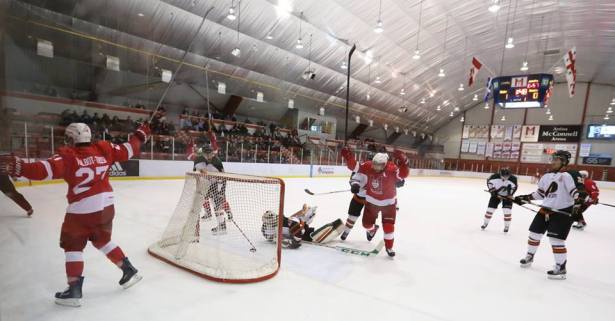
A few weeks ago, I was playing in a weekly beer league hockey game with some McGill University staff members. At one point, I came down the left wing with the puck, looked off a defender and whipped a wrist shot high, far side.

However, instead of the puck going bar-down as I had (ambitiously) hoped, it caromed off the glass and went all the way around the rink for an odd-man rush against. When I got back to the bench, someone said something to the effect of: “Stop missing high and wide. You’re just helping the other team break out of their zone.”

It was a light-hearted chirp – we weren’t playing for the Stanley Cup, after all. But it got me thinking about coaches who yell up and down the hall when their teams don’t “put the puck on net.” Is it really something that some teams do better than others?

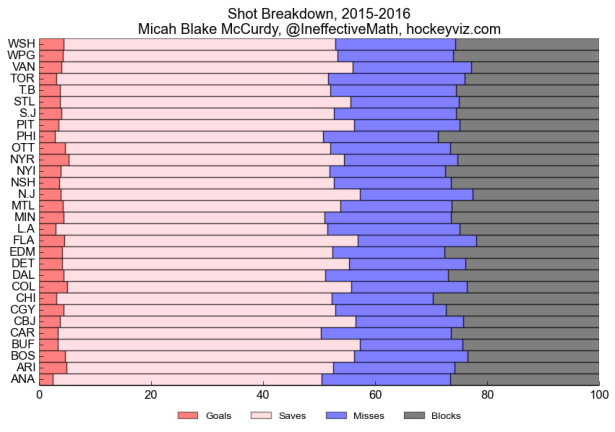
A few days ago, our friend Micah Blake McCurdy did some work in an effort to answer that question. He took a look at the proportion of goals/shots on net/missed shots/blocked shots for each NHL in the past two seasons. Here is what he found: Continue reading

Jakub Voracek’s Goal Drought

Embed from Getty Images

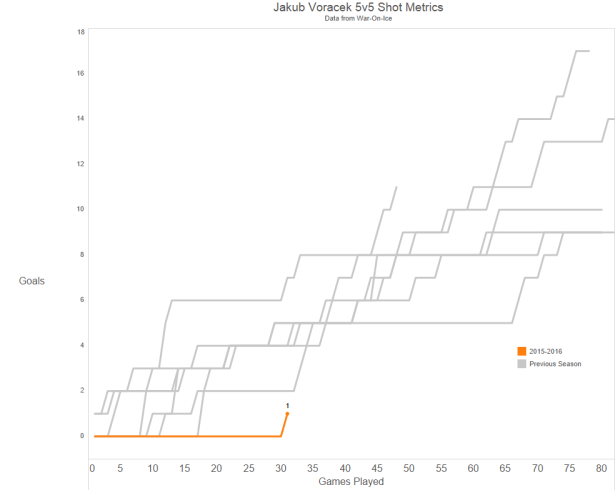
Jacob Voracek is having an especially poor season.  After averaging above 1.6 Primary Points per 60 at 5v5 the last few seasons, he’s down to .6 in 2015-16.  Voracek’s assist rate is down, and most prominently, he has only scored one goal at 5v5.

goals


What is causing this run of poor form? The most direct route of analysis is to examine his shot metrics. How does Voracek’s 2015-16 season stack up against his previous seasons?

Continue reading